Insulin resistance
Insulin resistance is a growing problem affecting many people without them even knowing it. It's a condition that often precedes type 2 diabetes and can have serious consequences for your overall health. In this post, we explain what insulin resistance is, how it develops, the associated risk factors, and what you can do to prevent or even reverse it.
What is insulin and how does it work?
Insulin is a hormone produced by the pancreas. It plays a crucial role in regulating your blood sugar. When you eat carbohydrates, they are broken down during digestion into glucose (sugar), which enters your bloodstream. This glucose is essential for energy, but too much glucose in the blood can be harmful. That's where insulin comes in.
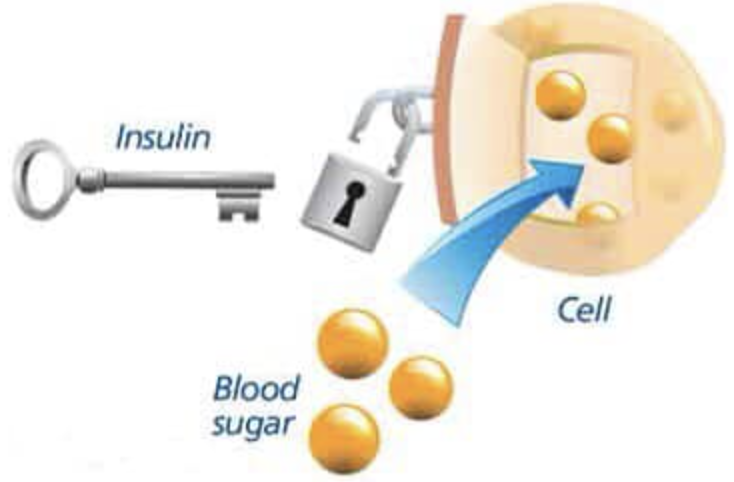
Insulin acts like a "key" that opens the "doors" of cells throughout your body, allowing glucose from the blood to enter cells where it can be used for energy or stored for later use. Insulin also helps store excess glucose in your liver and muscles, and when those stores are full, the remaining glucose is converted to fat.
What is insulin resistance?
Insulin resistance develops when the cells in your body become less responsive to insulin. This means your body needs increasingly more insulin to move the same amount of glucose into cells. Initially, your pancreas will produce more insulin to compensate, but over time it can become exhausted and unable to produce enough. This leads to higher blood sugar levels, which can result in prediabetes and eventually type 2 diabetes.
How does insulin resistance develop?
Several factors contribute to the development of insulin resistance:
Excess sugar consumption
One of the main causes of insulin resistance is a diet high in added sugars and refined carbohydrates. These foods cause rapid spikes in blood sugar, triggering a surge in insulin production. Over time, cells can become desensitized to the constant flow of insulin, leading to insulin resistance.
Excess weight and abdominal fat
Being overweight — and particularly having fat around the abdomen (visceral fat) — is strongly associated with insulin resistance. Abdominal fat releases pro-inflammatory substances that contribute to insulin resistance. Excess fat also reduces the effectiveness of insulin, meaning more is needed to move glucose into cells.
Physical inactivity
Exercise helps your body manage glucose more effectively and increases the sensitivity of your cells to insulin. A sedentary lifestyle contributes to insulin resistance, as the body becomes less efficient at processing glucose without regular physical activity.
Chronic stress and low-grade inflammation
Chronic stress and persistent low-grade inflammation can also contribute to insulin resistance. Stress raises levels of the hormone cortisol, which increases blood sugar and reduces the sensitivity of cells to insulin. Low-grade inflammation can damage insulin receptors on cells, making them less effective.
The spectrum from insulin resistance to diabetes
Insulin resistance can be seen as the precursor to diabetes, sitting on a broad spectrum that ranges from healthy insulin sensitivity to full-blown diabetes:
- Insulin resistance: The early stage, in which cells become less responsive to insulin. The body can initially compensate by producing more insulin, keeping blood sugar within normal range.
- Prediabetes: When the pancreas can no longer keep up with the rising demand for insulin, blood sugar levels begin to climb — higher than normal but not yet high enough to be classified as diabetes.
- Type 2 diabetes: If insulin resistance continues to worsen and the pancreas becomes increasingly exhausted, blood sugar levels can become unmanageably high, resulting in a diagnosis of type 2 diabetes.
The dangers of insulin resistance
Insulin resistance is a silent condition that often goes unnoticed for years, but the consequences can be serious:
Weight gain
Because insulin helps convert excess glucose into fat, insulin resistance can lead to weight gain — particularly around the abdomen. This can create a vicious cycle in which more fat leads to more insulin resistance.
High blood pressure
Insulin resistance can contribute to high blood pressure, as the body produces more insulin, which raises blood pressure. This significantly increases the risk of cardiovascular disease.
Increased risk of type 2 diabetes
If left unaddressed, insulin resistance can progress to type 2 diabetes. This happens when the pancreas can no longer produce enough insulin to compensate for elevated blood sugar levels.
Increased risk of heart disease and stroke
Insulin resistance is a major risk factor for heart disease and stroke. It not only raises blood pressure but also leads to higher levels of inflammatory markers in the blood, which can contribute to the buildup of plaque in the arteries (atherosclerosis).
Cognitive problems
Growing evidence suggests that insulin resistance can also affect brain function, potentially raising the risk of cognitive disorders such as Alzheimer's disease. This is sometimes referred to as "type 3 diabetes."
Preventing and reversing insulin resistance
The good news is that insulin resistance is often reversible with the right lifestyle changes:
Eat a healthy, balanced diet
Avoid added sugars and refined carbohydrates, and focus on a diet rich in fibre, lean protein, healthy fats, and plenty of vegetables and fruit. Foods with a low glycaemic index help keep blood sugar stable and improve insulin sensitivity.
Exercise regularly
Physical activity is one of the most powerful ways to increase insulin sensitivity. Both cardio and strength training help the body use glucose more efficiently and reduce insulin resistance.
Manage stress
Chronic stress can contribute to insulin resistance by raising cortisol levels. Try techniques such as meditation, yoga, breathing exercises, and getting enough sleep to keep stress under control.
Maintain a healthy weight
If you are overweight, losing even a modest amount of weight can have a significant positive impact on your insulin sensitivity.
Limit alcohol and quit smoking
Alcohol and smoking can contribute to insulin resistance and other health problems. Cutting back on alcohol and quitting smoking can help improve your insulin sensitivity.
Conclusion
Insulin resistance is a serious condition that often starts quietly but can have major consequences for your health. By making mindful choices about nutrition, exercising regularly, managing stress, and adopting other healthy habits, you can prevent or reverse insulin resistance. It is never too late to take action and take charge of your health.
Read the methodology
Read next
Smarter ways to eat rice
Rice is one of the world's most popular foods, but it's high in carbohydrates and can cause blood sugar to rise…
The devastating impact of soft drinks on your health
Soft drinks are beverages typically sweetened with sugar or artificial sweeteners, and may be carbonated or still.…
The sugar crash
We've all been there: that sudden mid-afternoon energy slump, often followed by fatigue, hunger, and sometimes even a…
Type 3 diabetes
"Type 3 diabetes" is a term gaining traction in the medical world, particularly in relation to neurodegenerative…