Hydration
Water is the source of life and plays an essential role in our wellbeing and health. More than half of our body is water — which underscores just how critical hydration is for almost every process in our bodies. From supporting metabolism to helping remove waste, adequate hydration is vital. In this post we take a deep dive into the benefits of hydration, the consequences of not drinking enough, and practical tips to help you stay well hydrated.
The crucial role of water in the body
Water supports nearly all of our vital and metabolic functions. It transports nutrients to our cells, removes waste products, and helps regulate our body temperature. A well-hydrated body functions more efficiently: you feel more energetic, more alert, and your metabolism works optimally.
Water as a detoxifier
Water is also the body's best detox tool. Harmful substances we take in daily are filtered by the liver and kidneys and excreted through urine, stools, and sweat. A well-hydrated body is better equipped to remove these toxins, helping to reduce pro-inflammatory compounds in fatty tissue.
Water for a healthy metabolism
Staying well hydrated keeps your metabolism running smoothly. This means your body burns calories more efficiently and you feel more energetic throughout the day. Adequate hydration also helps suppress false hunger signals — we often mistake thirst for hunger, which can lead to unnecessary snacking and weight gain.
The consequences of insufficient hydration
If you don't drink enough water, the consequences can be far-reaching. Even mild chronic dehydration can lead to various health problems, including:
- Fatigue: A lack of water can leave you feeling exhausted and sluggish, as your metabolism slows down.
- Headaches and dizziness: Dehydration can cause headaches and dizziness because the brain functions less well without enough fluid.
- Kidney problems: Your kidneys need water to filter waste. Chronic dehydration can damage the kidneys and lead to kidney stones or even kidney failure.
- Skin problems: Insufficient hydration can make your skin dry and flaky, and can also contribute to premature ageing.
How much water do you need?
The amount of water you need varies depending on your weight, activity level, and the ambient temperature. A simple rule of thumb is to drink about 35 ml of water per kilogram of body weight per day. For someone weighing 70 kg, that works out to roughly 2.5 litres per day. If you exercise a lot or the weather is hot, your water needs can double.
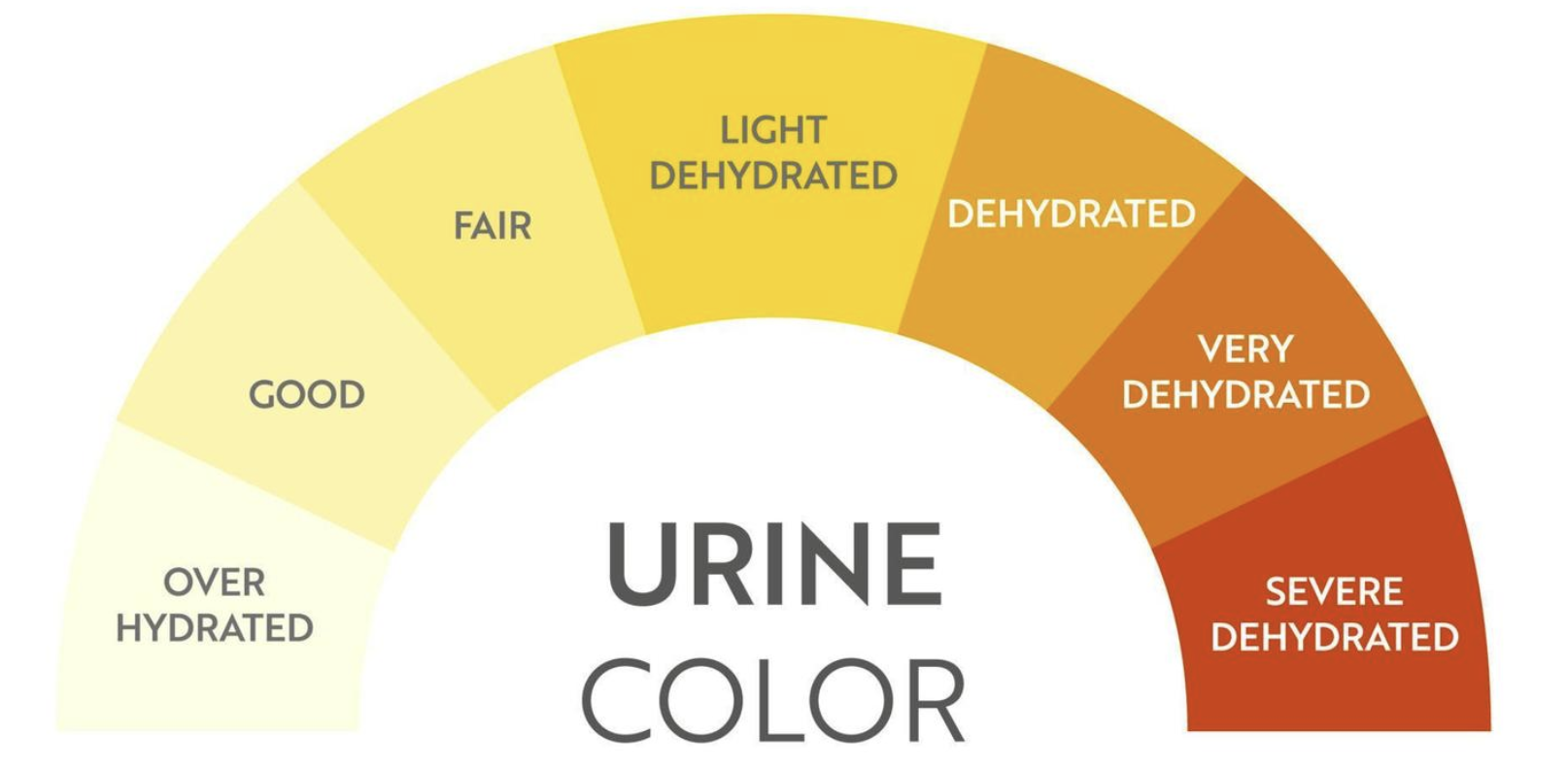
Another simple way to check whether you're drinking enough is to look at the colour of your urine. Clear or light-coloured urine indicates good hydration, while dark yellow urine is a sign that you need to drink more.
Tips for staying well hydrated
Choose water as your primary drink
Water, unsweetened tea, and black coffee are the best choices for staying hydrated. Avoid soft drinks and other sugary beverages, which are full of sugar and calories. These drinks not only contribute to weight gain, but can also lead to insulin resistance and an imbalanced gut microbiome.
Drink regularly throughout the day
Don't wait until you're thirsty to drink — thirst is a sign that your body is already dehydrated. Try to drink small amounts of water regularly, even when you don't feel thirsty. A handy tip: when you feel hungry, drink a glass of water first. We often confuse thirst with hunger, and staying hydrated can help you avoid unnecessary snacking.
Check the colour of your urine
An easy way to check whether you're drinking enough is to keep an eye on your urine colour. Clear or pale yellow means you're well hydrated. Dark yellow is a signal to drink more.
Avoid drinking your calories
Our bodies aren't designed to drink their energy. Soft drinks, juices, and even some sports drinks often contain a lot of sugar and calories that contribute to weight gain and other health problems. Choose water or unsweetened tea to stay hydrated without the extra calories.
Make hydration a habit
Build hydration into your daily routine. Always carry a water bottle when you're out and about, and make a point of drinking regularly, even when you're busy.
Conclusion
Hydration is essential for a healthy body and a well-functioning metabolism. By making sure you drink enough water, you help your body work efficiently, flush out toxins, and maintain your energy levels. Make hydration a priority in your daily routine and you'll notice that you feel more energetic, more alert, and healthier. Remember: a well-hydrated body is the key to a vital and energetic life.
Read the methodology
Read next
Inflammation and nutrition
Inflammation is the body's natural response to injury, infection, or irritation. While acute inflammation is essential…
Low ferritin, normal haemoglobin
Your iron store runs down long before you become anaemic. That is why your ferritin can be low while your haemoglobin…
Making healthy eating accessible
Eating well is essential for good health, but it can be hard to make healthy choices — especially when life is busy or…
MCV, MCH and MCHC
Your full blood count has three lines that often raise questions: MCV, MCH and MCHC. They describe your red blood…