Habits
Habits form the core of our daily lives and have an enormous influence on our health and wellbeing. We're often unaware of the power habits have over us, because they happen automatically and without much thought. Yet these automatic behaviours are the key to lasting behaviour change. In this post, we take a deeper look at what habits are, how they form, and how you can change them to live a healthier and happier life.
What are habits and how do they form?
Habits form through repetition. When you perform a certain action often enough, your brain will automate it to conserve energy. This is a survival mechanism that helps us navigate life efficiently. Think about how you once learned to drive — something that required a lot of concentration at first is now something you do without thinking. That's because your brain has automated those actions.
More than half of our daily activities are governed by habits. This means that if we want to live a healthier lifestyle, we need to focus on building healthy habits. Relying on willpower alone is not enough; you need to create new, healthy habits that become automatic.
The habit loop: how habits are formed
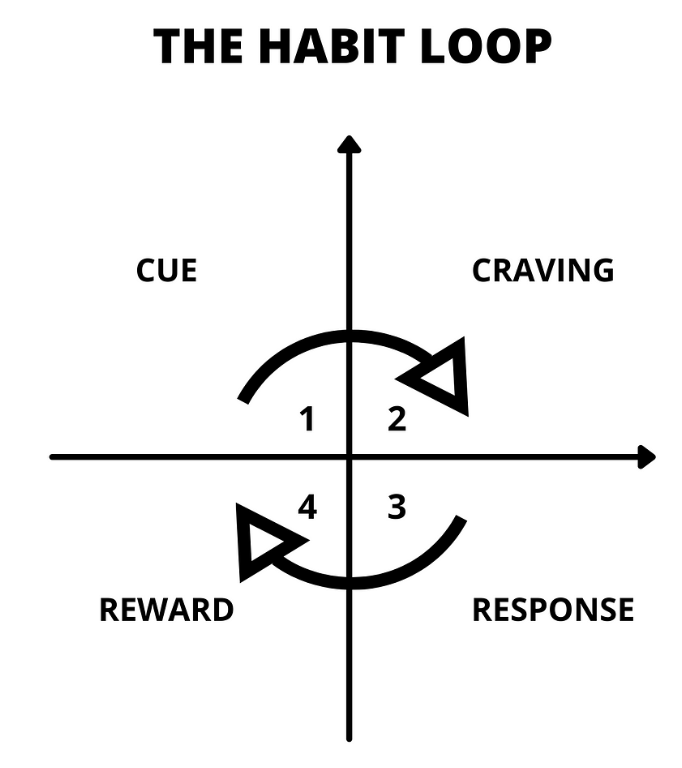
Habits follow a pattern we call the 'habit loop'. By repeating this loop over and over, the habit becomes stronger and ultimately automatic. The good news is that by consciously working with this loop, you can change habits in your favour.
This loop consists of four steps:
- Cue: This is the trigger that sets the habit in motion. It can be something you see, feel, smell, or think. For example: your alarm goes off in the morning and that signal makes you crave coffee.
- Craving: The cue creates a desire for a particular action. In the coffee example, the craving is the desire to feel more awake and alert.
- Routine: This is the action you take to satisfy the craving. You make and drink your coffee.
- Reward: The reward reinforces the habit. After drinking coffee you feel awake and energised, so your brain associates this habit with a positive outcome.
Practical strategies for habit formation
To help you take control of your habits, here are some strategies you can apply:
Linchpin habits: start with the habits that change everything
Linchpin habits are habits that act as anchor points and can trigger a chain reaction of positive changes in your life. Think of habits like getting up early every morning, exercising daily, or eating well. These habits often influence other areas of your life. By exercising regularly, for example, you can not only improve your physical health but also boost your mental wellbeing and productivity. The idea is that when you change one key habit, it becomes much easier to adjust other habits as well.
Visualisation: the power of mental practice
Visualisation is a powerful technique where you imagine yourself carrying out a new habit from start to finish. Picture yourself getting up, putting on your workout clothes, going to the gym, and completing your training. By mentally walking through these steps, you prepare your brain for the actual execution. This increases the likelihood that you'll stick with the habit, because your brain has already 'practised' these actions multiple times. Visualisation lowers the barrier to getting started and helps you focus on the end result.
Lower the barriers: make the path to success easier
One of the biggest obstacles to forming new habits is the barrier to getting started. The harder it is to pick up a habit, the more likely you are to put it off or avoid it altogether. By lowering this barrier, you make it easier to begin. If you want to drink more water, for example, always keep a water bottle within reach. Want to walk more? Leave your walking shoes by the door. The less effort it takes to start, the more likely you are to actually do it.
Task bracketing: the power of small steps
Task bracketing means breaking a larger goal down into smaller, manageable tasks. This can lower the mental barrier and help you work toward your goal step by step. An example is putting on your workout clothes as the first step toward a workout. Once you've put your gym kit on, you're much more likely to actually exercise. By breaking your goals down into small, specific actions, you make the process less daunting and build positive habits that ultimately carry you toward your bigger goal.
Conclusion
Habits form the foundation of your lifestyle. By understanding how they work and applying the right strategies, you can change your habits in your favour. Start with a strong 'why', use the habit loop to develop healthy habits, and remember that falling and getting back up is all part of the process. With patience and consistency, you can make lasting changes in your life and lead a healthier, happier life.
Read next
Habits and sleep
A good night's sleep is crucial for your health and wellbeing. Unfortunately, certain habits can seriously disrupt your…
Journaling and stress
When you're stressed, emotions can pile up and feel overwhelming. Writing your feelings and thoughts in a journal…
Nutrition diary template
A nutrition diary is a powerful tool for gaining insight into your eating habits. By tracking what you eat, when you…
SMART goals
Setting goals is an essential part of personal and professional growth. But not all goals are equal; some are too…