Depression
Depression, also known as depressive disorder, is a mood disorder characterised by a persistent feeling of sadness, emptiness, or irritability. These feelings are often accompanied by a loss of interest or pleasure in activities that were once enjoyable.
Depression can affect anyone, regardless of age, gender, or background. It is a common condition that, according to the World Health Organization (WHO), is the leading cause of disability worldwide. Despite how widespread it is, depression remains difficult for many people to understand, which can lead to stigma and a lack of treatment.
DSM-5 criteria for depression
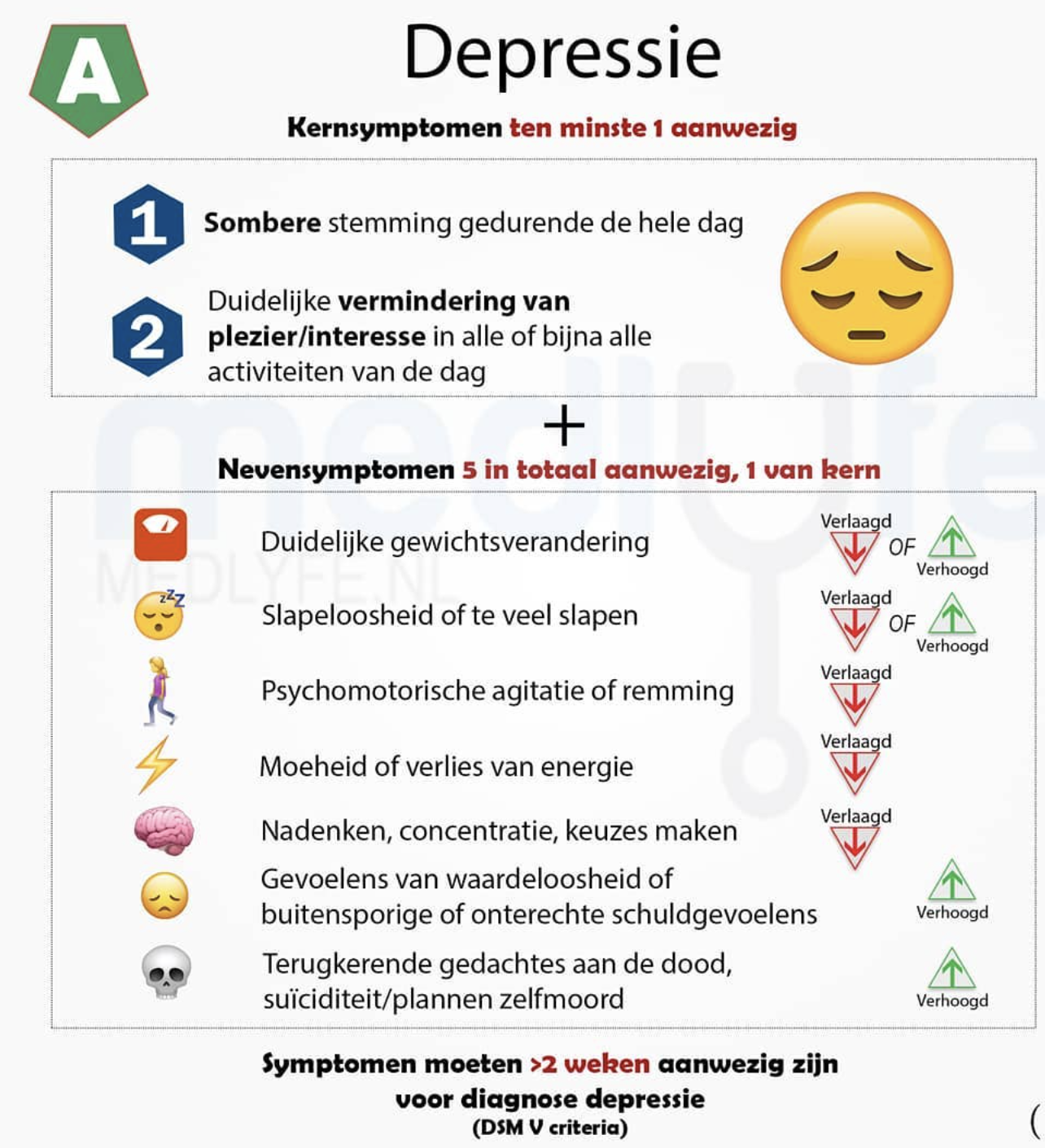
A diagnosis of depression is typically made using the DSM-5 (Diagnostic and Statistical Manual of Mental Disorders, Fifth Edition) criteria — a globally recognised manual for classifying mental health conditions. According to the DSM-5, certain core and additional symptoms must be present for a diagnosis.
Core symptoms (at least one of the two must be present):
- Low mood: A depressed mood for most of the day, nearly every day.
- Loss of interest or pleasure: A marked decrease in interest or pleasure in almost all activities during the day.
Additional symptoms (a total of five symptoms must be present, including at least one core symptom):
- Weight changes: Significant weight change (gain or loss) without a clear reason, or changes in appetite.
- Sleep problems: Insomnia or sleeping too much.
- Psychomotor changes: Agitation or slowing down, which may manifest as physical restlessness or a noticeable reduction in movement and speech.
- Fatigue: Persistent tiredness or loss of energy, nearly every day.
- Concentration difficulties: Trouble thinking, concentrating, or making decisions.
- Feelings of worthlessness: Inappropriate or excessive feelings of guilt.
- Thoughts of death: Recurrent thoughts of death, suicide, or a specific plan to take one's own life.
For a diagnosis of depression, these symptoms must be present for at least two weeks. It's important to note that they must have a significant impact on a person's daily functioning.
The impact of depression
Depression can have a devastating effect on a person's life. It can lead to social isolation, loss of work or academic performance, and an increased risk of physical health problems such as cardiovascular disease. In severe cases, depression can even lead to suicide.
Treatment options for depression
Fortunately, depression is treatable. There are several approaches that can help relieve symptoms and improve quality of life.
- Psychotherapy: Talking therapies such as cognitive behavioural therapy (CBT) have proven effective in treating depression. CBT helps people recognise and change negative thought patterns.
- Medication: Antidepressants can be prescribed to correct the chemical imbalances in the brain that underlie depression. However, these medications should be used under close medical supervision, as they can have side effects.
- Lifestyle changes: Regular exercise, a healthy diet, and sufficient sleep can help reduce depressive symptoms. Social support — staying connected with friends and family — is also very important.
- Mindfulness and meditation: Techniques like mindfulness can help reduce stress and relieve symptoms of depression.
- Interpersonal therapy (IPT): This therapy focuses on improving a person's relationships and communication, which can help ease depressive symptoms.
- Electroconvulsive therapy (ECT): In very severe cases, when other treatments have not been effective, ECT may be considered. This treatment, in which an electrical current is passed through the brain, is controversial but can be effective in some cases.
When to seek help
If you think you may be experiencing depression, it's important to seek help as soon as possible. The earlier treatment begins, the greater the chance of recovery. Talk to your doctor or a psychiatrist about your symptoms — they can refer you to the right treatment.
Conclusion
Depression is a serious condition that can have a major impact on someone's life, but it is also treatable. By raising awareness and reducing the stigma around mental health, we can help people get the support they need. If you or someone you know is struggling with depression, don't hesitate to reach out. It is an important step toward recovery and a better life.
Read the methodology
Read next
Epigenetic noise
Epigenetic noise refers to random changes in the epigenetic markers of our DNA that occur as we age. These markers…
Self-care for depression
Depression can have an enormous impact on your life, but there are ways to regain a sense of control. Self-care plays a…
Fiber hacks
For many people, the word "fibre" conjures up images of breakfast cereals, lentils, brown rice, and other responsibly…
Cortisol and insulin resistance
Cortisol is produced by the adrenal glands and is released in response to stress — whether that's physical stress, such…